

Chile is not a country most naturists think about – which is exactly why its one famous beach is worth knowing. Tucked into a secluded cove beneath the Quirilluca cliffs, Playa Luna is the only naturist beach in Chile with genuine legal standing, and it earned that standing the hard way: through a court case.
Playa Luna: Chile’s One and Only
Playa Luna lies in the commune of Puchuncaví on Chile’s central coast (Region of Valparaíso), between the fishing village of Caleta Horcón and the resort town of Maitencillo, about 120 km northwest of Santiago. The beach occupies a sheltered cove ringed by high cliffs – remote enough that its founders chose it deliberately.
The beach was founded on the last weekend of January 2000 by Chilean photographer René Rojas and a small group of eco-naturists seeking a permanent, safe space for clothing-optional recreation on a shoreline where every beach is legally public land (bienes nacionales de uso público).
The 2001 Court Case That Made It Legal
Within its first year, a complaint brought police to the cove, and Rojas found himself charged under Article 373 of the Chilean Penal Code – the “offenses against modesty and good customs” statute. The case reached the local police court of Puchuncaví, where Judge Francisco Sanfuentes dismissed all charges. The ruling established a principle that still protects the beach today: simple nudity in an isolated location, without lewd intent (ánimo lascivo) and without causing a grave public scandal, is not a crime in Chile.
After the dismissal, the municipality, the Carabineros police, and the Chilean maritime authority (DIRECTEMAR) adopted a formal policy of tolerance toward the cove. Playa Luna has now operated for more than 25 years as an organized naturist zone – celebrated its 25th anniversary in early 2025 – and remains fully active today.
Getting to Playa Luna
There are two access routes, and neither is a walk in the park:
- The Quirilluca cliff trail (recommended): From Santiago, take an intercity bus from Terminal Pajaritos or Terminal San Borja toward Quintero/Puchuncaví/Horcón (2-2.5 hours; from Viña del Mar, about 1 hour 15 minutes). From the F-30-E junction, a taxi or colectivo reaches the Quirilluca cliff top, followed by a steep 15-20 minute descent through a ravine (quebrada).
- The shoreline walk: From Caleta Horcón, walk north along the coast for 3.5-5 km (45-60 minutes). Warning: time this around the tides – high water can cut off the passage beneath the cliffs.
Etiquette and the Beach’s Rules
Playa Luna is run on strict naturist etiquette maintained by the Club Naturista Playa Luna, the community organization founded with the beach:
- “Mirones no” – no gawking. Textile visitors who linger fully clothed and stare are asked to disrobe or move on.
- No unsolicited photography or filming. Strictly enforced.
- No lewd or sexual behavior. Playa Luna is an eco-naturist family beach, not a party zone, and it has no commercial development whatsoever.
- Leave no trace. The cove is home to sea otters (chungungos) and seabirds; visitors pack out everything they bring.
One important clarification: while the local naturist club organizes activities and upholds etiquette, the beach itself is public land, and no private club has the legal authority to deny anyone access to the shoreline – a point reaffirmed publicly in 2017 when LGBTQ+ rights organization MOVILH raised concerns about the club’s historical membership policies.
The Legal Reality Elsewhere in Chile
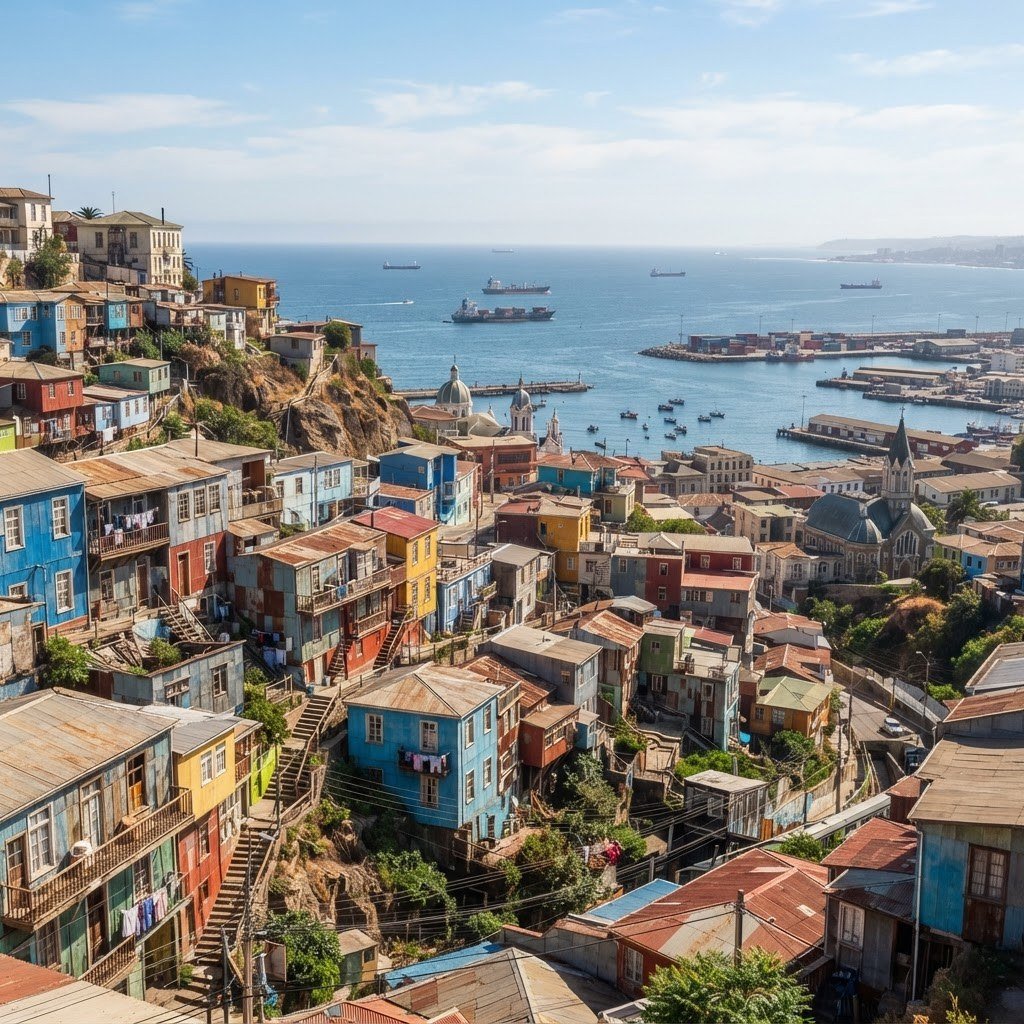
Chilean law distinguishes between simple nudity and lewd acts. Article 373 of the Penal Code and Article 495 N°5 cover “offenses to modesty,” but the operative standard from the Playa Luna precedent is lewd intent plus public scandal. In practice:
- On mainstream beaches (Reñaca, Viña del Mar, La Serena), police will immediately order anyone who disrobes to dress, and topless sunbathing is socially taboo and routinely challenged.
- Wild naturism happens quietly in isolated coves along the northern coast (near Caleta Hornos, Pichidangui), at remote Andean hot springs (termas) in the early morning or off-season, and along the empty coastlines of the far south – protected purely by geography, not law.
Culturally, Chile remains one of South America’s more conservative countries – divorce was only legalized in 2004 – though younger generations are notably more relaxed, and over 4,000 Chileans famously posed nude for Spencer Tunick in Santiago in 2002.
Practical Know-Before-You-Go
- Season: Southern Hemisphere summer, December through February. Air temperatures 20-28°C.
- The water is cold. The Humboldt Current keeps central Chile’s ocean at 13-16°C (55-61°F) even in midsummer. Swims are brisk and brief; some regulars wear shorty wetsuits.
- Pack for a wild beach: no facilities exist at the cove. Bring water, sun protection, and everything you’ll need for the day.
Latin America’s naturist map is small but real – if you’re planning a regional trip, Mexico’s Zipolite is the continent’s other must-visit.
Compare Flights
Flight prices to your destination change constantly. Compare current fares and find the best deal:
Affiliate link: we may earn a commission at no cost to you.
Where to Stay
Find accommodation near the naturist zone below:
Affiliate disclosure: this map and its booking options contain affiliate links; we may earn a commission at no extra cost to you.
Affiliate & Image Disclosure: This article contains affiliate links (marked as such), which may earn us a commission at no extra cost to you. All images are AI-generated for illustrative purposes and do not depict real people or exact locations.
Leave a Reply