

Spain is one of the world’s great naturist countries – and its two African cities are its blank spots. Ceuta and Melilla, the autonomous cities on the Moroccan coast, appear on the map as Spanish territory, fly the Spanish flag, and answer to Spanish law, yet they have no naturist scene whatsoever: no nude beach, no club, no naturist hotel, no tolerated stretch of sand. This is the honest-verdict guide to why, and to what a naturist traveler should actually do with them.
The Verified Zero
The absence is total and official. Spain’s environment ministry classifies every beach in both cities as non-nudist – Ceuta’s central Playa de la Ribera, the Chorrillo, semi-wild Calamocarro, border-watch Benzú; Melilla’s Los Cárabos, the Hipódromo stretch, cliffside Horcas Coloradas – all strictly textile, all Nudismo: No in the state guide. The Spanish Naturist Federation lists zero affiliated clubs, zero members, zero approved sites in either city. There has never been a Day Without Swimsuit event, a naturist rally, or even a Spencer Tunick installation in either enclave – and Tunick has shot Barcelona, Valencia, San Sebastián and Granada. The scene is not suppressed; it simply never existed.
Why: The Exclave Effect
Three forces stack up. First, the demographics: both cities are roughly half Muslim (mostly of Moroccan Riffian heritage) and half Christian Spanish, and both communities hold traditional views on public modesty – public undressing would offend the mosque and the parish alike. Second, the fortress legacy: these are garrison cities – home to the Spanish Legion – where the Guardia Civil and national police watch every shoreline for migration and smuggling, and any unusual behavior draws attention fast. Third, the sovereignty dispute: Morocco claims both cities, and the permanent border-security posture means the beaches are among the most patrolled sand in Spain.
The Law: Yes, It’s Legal. No, Don’t.
Here is the twist for legal readers: Spanish national law applies identically in the autonomous cities. Public nudity has not been a crime anywhere in Spain since 1988, and the current Penal Code (Article 185) criminalizes only obscene exhibitionism directed at minors. But the Supreme Court rulings that allow municipalities to regulate nudity on urban beaches – the same jurisprudence behind Barcelona’s 2011 ordinance – apply here too, and Ceuta’s beach ordinances carry fines up to 500 euro. In practice: a naturist on Playa de la Ribera will be ordered to dress immediately, and refusal becomes an administrative offense. Legally safe does not mean actually welcome.
What Ceuta and Melilla Are For
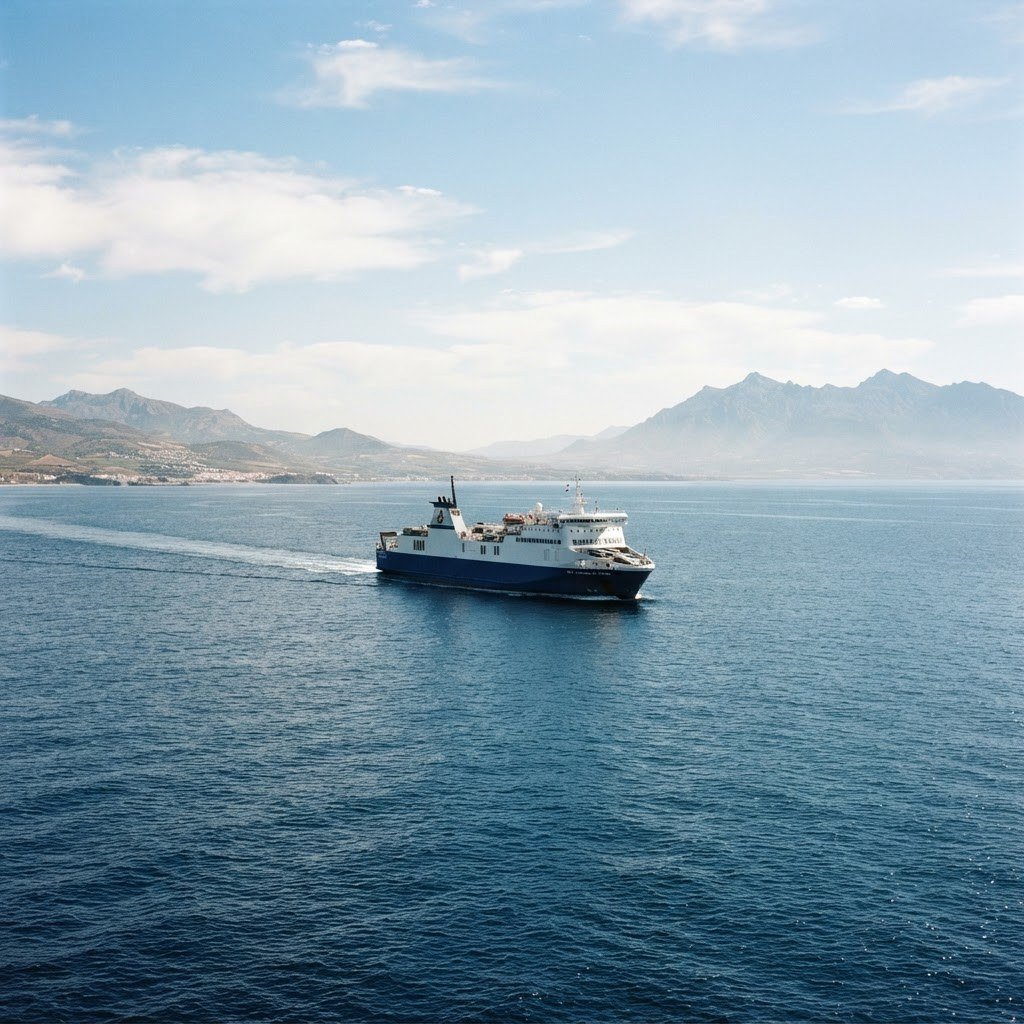
Treat both as history and culture stops, not beach stops. Ceuta: the 60-to-90-minute ferry from Algeciras or the Hélity helicopter from Málaga (there is no fixed-wing airport), the Royal Walls, and excellent seafood. Melilla: daily flights from Málaga and Madrid, or the long ferry from Málaga – and a remarkable concentration of modernist architecture.
The naturist base should be Andalusia. From the Ceuta side: Tarifa’s dune beaches (Valdevaqueros, Bolonia), Zahara, and the coves of Cabo de Gata. From the Málaga side: Cabopino’s dune reserve near Marbella, Cantarriján on the Costa Tropical, and – the grand prize – Vera Playa, Spain’s naturist resort town. For the full regional map, see the Andalusia guide and the Spain national guide.
One Final Warning: The Border
Ceuta and Melilla are not gateways to North African naturism – the opposite. Cross into Morocco and Article 483 of the Moroccan Penal Code criminalizes public indecency with one month to two years of prison. The Spanish tolerance ends at the border fence, on both sides.
Compare Flights
Malaga is the practical gateway for both enclaves. Compare fares to Malaga:
Affiliate link: we may earn a commission at no cost to you.
Where to Stay
Find accommodation in Ceuta below – for naturist beach time, base yourself in Andalusia instead:
Disclosure: this map contains affiliate booking links. If you book through it, we may earn a commission at no extra cost to you.
Leave a Reply