
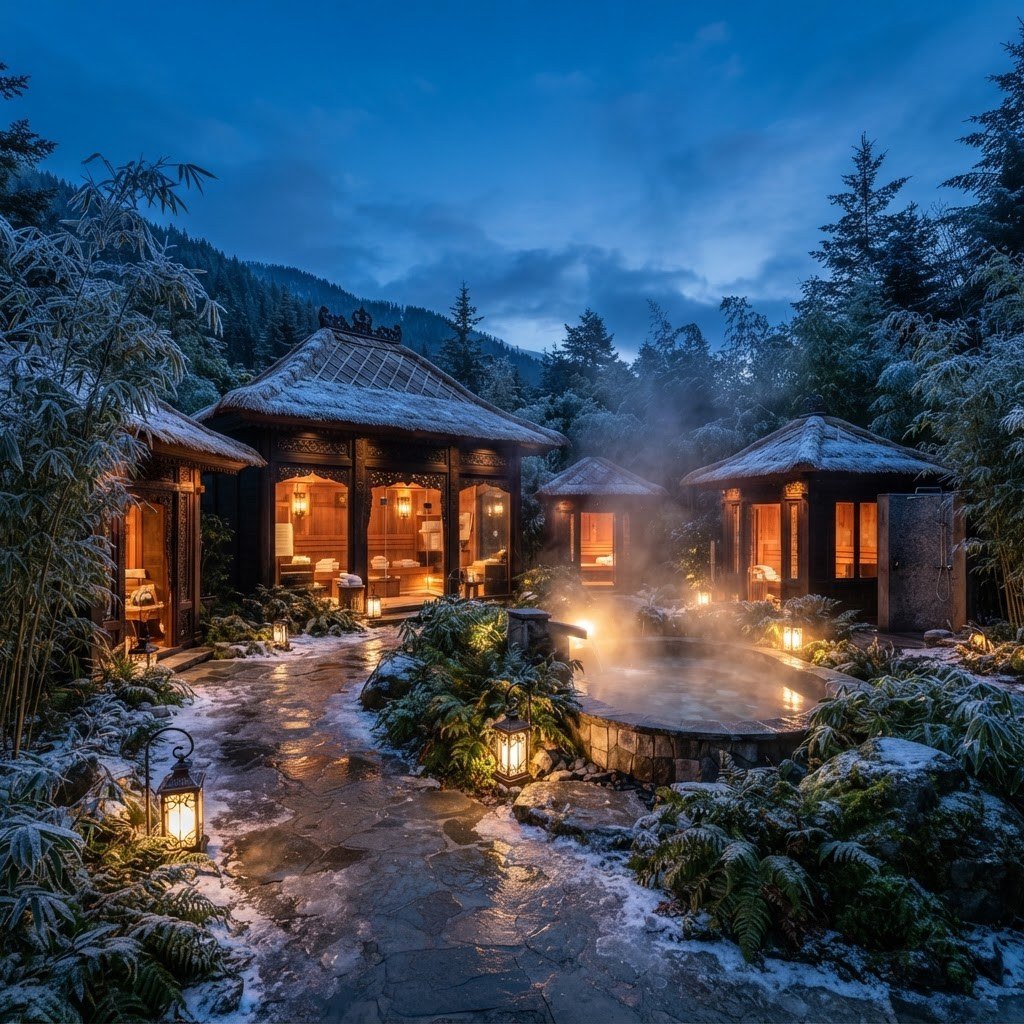
More than any beach or lake, the sauna is where Germany’s naturist identity actually lives. In a German sauna, nudity is not permitted – it is required. The rule is hygiene, not ideology: synthetic swimsuits trap sweat against the skin, block the skin’s respiration under heat, and out-gas chemicals at temperature. The result is a nationwide institution – co-ed, textile-free, family-friendly – that runs from village Schwimmbäder to Europe’s most luxurious urban spas, and it is the single most accessible entry point to naturism anywhere in the world. This is the complete guide to German sauna culture.
The Rules of the Room
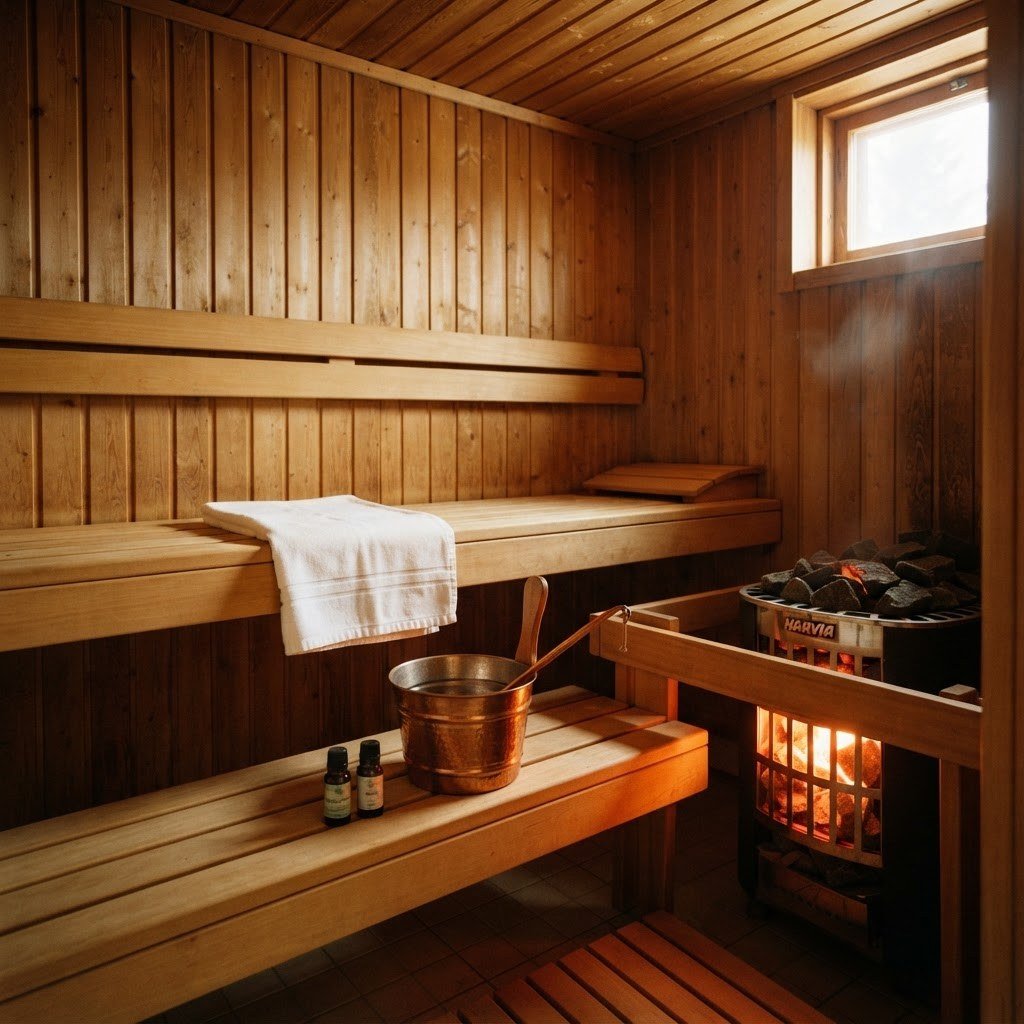
Four norms govern every German sauna. One: swimsuits are forbidden – if you keep anything on, you will be asked, politely and firmly, to remove it, and the house rules are legally enforceable. Two: the towel rule, kein Schweiß aufs Holz – no sweat ever touches the bench; your towel goes under everything, including your feet. Three: saunas are mixed-gender by default, with separate women’s hours offered at many facilities. Four: silence during the Aufguss – the ritual ceremony, performed hourly in most houses, in which an Aufgussmeister pours essential-oil water over the stones and circulates the steam with a towel, in ten to fifteen minute sets announced by chimes and bells.
The Flagship Spas
Vabali Spa is the standard-bearer: a 100% textile-free Balinese-village wellness resort in Berlin-Mitte, replicated in Düsseldorf and Hamburg, where day admission (roughly €30-40) buys saunas, pools, steam baths, gardens and restaurants in an entirely clothes-free environment. Liquidrom in Berlin adds a saltwater flotation pool with underwater music to its strictly nude saunas. Therme Erding near Munich, the world’s largest thermal complex, runs its 28-sauna VitalTherme as a strict textilfrei world adjoining – but rigorously separated from – its textile waterpark: the demarcation line between the two is the single most important boundary in German spa architecture, and crossing it dressed is the classic beginner’s error. Every mid-size German city maintains its own Saunalandschaft at the municipal baths; all operate on the same nude-standard rules.
The Dual-Zone System
Understand one principle and every German spa becomes legible: Badewelt (pools, slides, family waterparks) is textile and always swimsuit-mandatory; Saunawelt (saunas, steam rooms, thermal plunge pools, relaxation lawns) is textile-free and swimsuits are banned. The zones are physically separated, separately ticketed, and universally marked. This is the same dual-zone architecture you will find from Austria’s alpine thermen to Switzerland’s thermal baths – a Germanic convention that is quietly the most functional naturist arrangement in the world.
Practical
Arrive with a large towel (rentals are a few euros), shower before entering the sauna area, sit on your towel always, and observe the Aufguss schedule posted at the entrance. Evening and weekend sessions at flagship spas get busy; weekday mornings are serene. Combined admission to a city’s full Saunawelt typically runs €15-30, and many facilities offer 4-hour twilight rates. For the textile-free swimming sessions that complement the sauna calendar, see our worldwide pools guide.
Where to Stay
Disclosure: this map contains affiliate booking links. If you book through it, we may earn a commission at no extra cost to you.
Leave a Reply